Desert Darlin Embroidery Review
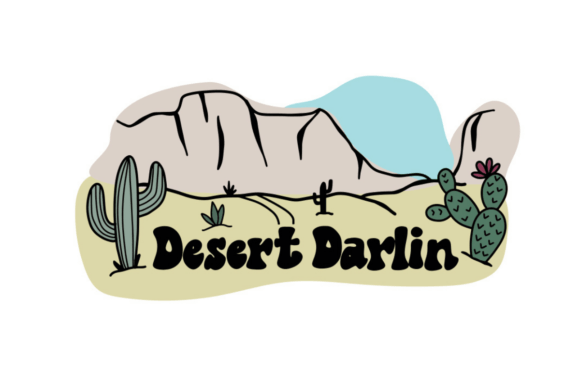
There is a specific kind of magic that happens when digital art translates into thread. As a designer who spends half my life staring at screens and the other half watching needles pierce fabric, I am always skeptical about how "vibes" survive the transition to embroidery. You can have the perfect aesthetic on paper, but if the stitch density is off or the color contrast disappears in a satin block, the design fails. That is why I treat every new file with a critical eye before it ever touches my hoop. Today, I am putting Desert Darlin through its paces. This piece promises a vibrant Southwest aesthetic with retro-inspired bubble typography and a detailed desert landscape featuring saguaro cacti and prickly pears. It falls squarely into the Crafts and Graphics categories, but does it hold up as a serious tool for your embroidery project? Let’s dig into the practical reality of using this design.
First Impressions: The Retro Desert Vibe
The moment you open the file, the mood is unmistakable. We are dealing with a strong retro-inspired personality. The bubble typography isn’t just decorative; it anchors the entire composition with a playful, nostalgic energy that feels very current in the handmade market right now. Paired with the organic shapes of the saguaro cacti and prickly pears, the layout creates a balanced tension between structured lettering and natural forms. It feels like a machine embroidery design meant to stand out without shouting. For designers looking to add a touch of whimsy to their shop, this graphic offers a distinct visual personality that separates it from the generic floral or geometric patterns flooding the market. It has character. It has attitude. And in the world of small business merchandise, character is currency.
Real-World Application: Where Does It Fit?
I don’t believe in designs that look good only in a mockup. To truly evaluate Desert Darlin, we have to imagine it on actual products. My first scenario? A custom embroidered tote bag for a summer craft fair. The bold lines of the bubble text would pop beautifully against a canvas tote, especially if paired with earthy thread tones. However, the real test comes with apparel. Imagine this stitched onto a heavyweight sweatshirt for autumn. The retro theme aligns perfectly with the cozy, vintage-wash aesthetic that consumers love. The detailed landscape elements—the cacti and succulents—add texture and depth that elevate the garment from a basic souvenir to a statement piece.
But let’s look at smaller items. Could this work as an embroidered patch? Absolutely. The defined borders make it easy to digitize cleanly, which is crucial for patches that need to withstand wear and tear. What about baby items? There is something charming about seeing this playful desert scene on a onesie or a nursery blanket. It softens the ruggedness of the desert theme, making it suitable for baby embroidery projects where cuteness meets curiosity. Even kitchen towels could benefit from this design; the bright colors and fun typography bring warmth to a functional space. Whether you are an Etsy seller looking for a bestseller or a hobbyist making a personalized gift, the versatility here is impressive.
Technical Performance and Stitch Clarity
When evaluating any digital embroidery file, clarity is king. The success of Desert Darlin hinges on how well the digitizer handled the transition between the smooth curves of the bubble letters and the intricate details of the cacti. In theory, the satin stitch should render the lettering edges cleanly, providing a sharp contrast against the background fabric. The fill stitch used for the plant bodies needs to be dense enough to cover the fabric completely but not so dense that it causes puckering, especially on lighter materials.
I recommend testing the stitch density carefully. If the design includes too many small details in the cactus spines or flower centers, those areas might blur together during stitching, losing the intended detail. This is where checking the hoop size becomes critical. If you attempt to stitch this on a tiny 4x4 inch hoop, you risk losing the integrity of the text or compressing the landscape elements too much. Always ensure the design fits comfortably within your chosen frame, leaving room for proper spacing. Furthermore, inspect the running stitch accents if present; they should lay flat and not create loose loops that catch on things later.
Where to Exercise Caution
No design is flawless, and knowing where to pull back is part of being a professional. Desert Darlin requires careful consideration when applied to certain fabrics and surfaces. Avoid using this on highly textured fabrics like heavy boucle or loose-weave linen unless you are prepared for the thread to get lost in the weave. Similarly, thin or stretchy knits can distort the shape of the bubble letters, leading to a wavy, unprofessional finish. If you are working with dark fabric, pay close attention to your thread colors. A light-colored design on black denim might lack the punch needed to be visible, whereas a white or bright yellow thread choice would ensure high contrast and readability.
Curved surfaces like caps also pose a challenge. While the overall shape might work, the distortion inherent in cap embroidery can warp the symmetry of the typography. Test this on a scrap piece of cap material first. Additionally, be mindful of frequent washing. Designs with large areas of fill stitch can sometimes snag or pill over time, particularly if the underlying fabric is delicate. For long-term durability, consider reinforcing the stabilizer choice and ensuring the backing is appropriate for the final product’s lifespan.
Designer Notes for Success
To get the most out of this embroidery project, follow these practical steps. First, always test on scrap fabric that matches the weight and texture of your final product. This reveals issues with tension, puckering, or color clash before you commit to the customer’s item. Second, review the design in black and white mockups. This helps you assess the value contrast and ensures the text remains legible regardless of the color palette. Third, confirm your stabilizer choice. A cut-away stabilizer is often best for garments that will be stretched or worn frequently, while a tear-away might suffice for home decor items like pillow covers.
Finally, do not overlook the business side. If you plan to sell finished goods, verify the licensing terms associated with the file. Are you allowed to use it for commercial embroidery? Can you sell unlimited units? Clarifying these points protects your craft business from legal headaches. Also, think about presentation. When you photograph your finished product, highlight the texture of the stitches. Show the way the light hits the satin stitch edges. Good photography sells the quality of your work.
Final Verdict
Desert Darlin is a strong addition to any designer’s library. It captures a popular aesthetic with skill and offers enough detail to feel premium while remaining versatile enough for various applications. From tote bag design ideas to sweatshirt embroidery projects, it delivers visual appeal and stitching clarity. By paying attention to fabric choices, hoop sizes, and thread contrasts, you can transform this graphic into a standout handmade product that customers will love. It is a design that works hard, looks good doing it, and fits seamlessly into the modern creative entrepreneur’s workflow.