Pixel Tribal Ornament Icons Review
As a designer who spends half my life staring at stitch charts and the other half trying to sell handmade goods, I have learned that not every digital graphic translates well to thread. There is a specific friction between the pixel-perfect world of screen design and the tactile reality of embroidery machines. This is where most designs fail—not because they look bad on a monitor, but because they fall apart under the needle. That is why I approach Pixel Tribal Ornament Icons with a critical eye. I am looking for more than just aesthetic appeal; I need to know if this asset can survive the journey from ZIP file to finished product without losing its soul.
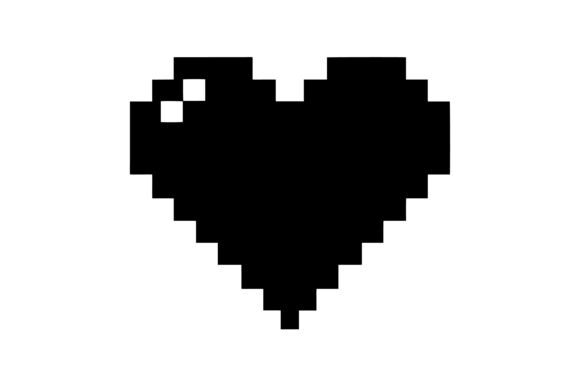
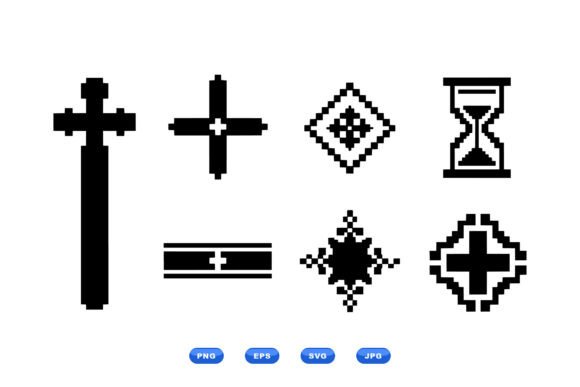
The collection presents eight distinct motifs featuring medieval crosses and hourglasses rendered in a strict pixel art style. On the surface, this seems like a niche choice. However, for those of us building brands around retro gaming aesthetics, gothic streetwear, or dark academia-inspired crafts, this machine embroidery design offers a unique visual personality. It bridges the gap between ancient symbolism and modern digital culture, creating a mood that is both nostalgic and slightly rebellious. But does it work as a practical embroidery file?
First Impressions: The Retro-Gothic Vibe
When I first loaded the files, which include SVG and PNG formats alongside standard embroidery-ready structures, the immediate takeaway was clarity. Pixel art relies on hard edges and high contrast, traits that generally play very well with embroidery stitches. Unlike intricate floral patterns that require thousands of tiny satin stitches to capture subtle gradients, these motifs are bold. They rely on shape rather than shading.
This makes them ideal for custom apparel and accessories where you want a statement piece without overwhelming the garment. The black-on-white presentation in the preview suggests a high-contrast finish, which is crucial for readability. In the world of craft business assets, simplicity often wins because it reduces production time and minimizes the risk of thread breaks. These icons feel like they belong in a game ui context, but when translated to fabric, they take on a heavier, more tangible weight. They feel like badges, talismans, or insignias.
Real-World Application: From Screen to Stitch
Let’s talk about how this would perform in a real project. Imagine you are preparing a batch of limited-edition tote bags for an upcoming craft fair. You want something that stands out against the chaotic backdrop of a market stall. Placing a single, large pixelated cross or hourglass in the center of a canvas tote creates a striking focal point. The geometric nature of the design means it will hold its structure even on slightly uneven fabric surfaces.
I also see strong potential in sweatshirt embroidery. For a hooded sweatshirt aimed at a younger demographic interested in retro gaming or occult aesthetics, these icons work beautifully as chest logos or sleeve accents. The blocky lines mimic the texture of knitwear in a way that feels intentional rather than accidental. Similarly, for baby embroidery, these designs could be adapted into softer, smaller motifs for onesies or nursery decor, provided the color palette is adjusted away from stark black to something gentler, like charcoal or deep navy.
Another compelling use case is the creation of embroidered patches. Since the original set includes multiple variations, you could create a series of matching patches for jackets or backpacks. The uniformity of the pixel style ensures that whether you are stitching a cross or an hourglass, they will look like they belong to the same family. This consistency is vital for brand consistency when selling a line of products on platforms like Etsy. Buyers trust shops that offer cohesive collections, and this set provides that foundation naturally.
Technical Considerations and Potential Pitfalls
However, no design is perfect, and there are specific scenarios where Pixel Tribal Ornament Icons requires careful handling. The primary challenge with pixel art in embroidery is the "stair-stepping" effect. While pixels look sharp on a screen, embroidery machines simulate curves using short straight stitches. If the design is too small, the diagonal lines of the pixel grid may appear jagged or blurry, especially if the stitch density is too low.
Therefore, I strongly advise against using these motifs in small hoop sizes unless you are confident in your machine’s ability to execute precise running stitches. If the final stitched image is smaller than two inches, the details may merge into an indistinct blob. For best results, aim for a minimum width of three to four inches. This allows the individual "pixels" to be represented by distinct clusters of stitches, preserving the retro aesthetic.
Fabric choice is equally critical. These designs demand a stable base. Avoid stretchy fabrics like thin jersey knits unless you are using heavy-duty stabilizers, as the tension required to keep the pixel grid straight may pucker the material. Textured fabrics, such as bouclé or thick wool, can obscure the fine details of the iconography. A smooth cotton twill for tote bag design applications or a tightly woven polyester blend for caps works best. Also, consider the background. While the source images are white, embroidering black thread on dark fabric requires a cut-away stabilizer and possibly a topstitch outline to ensure the black pops against the darker material.
Stitching Strategy for Clarity
To get the most out of this digital embroidery file, pay attention to the stitch types used in the underlying code. Ideally, the design should utilize a combination of fill stitches for the solid blocks and running stitches for any delicate outlines. If the design relies solely on dense satin stitches, it may become stiff and uncomfortable to wear. A mix of textures adds depth and prevents the final product from looking like a plastic sticker sewn onto cloth.
Before committing to a full run of commercial embroidery projects, always test the design on scrap fabric. Check the thread colors against your actual fabric swatches. Sometimes, a pure black thread can look harsher on fabric than it does on screen, while a soft gray might lose definition. Inspect the corners of the pixel squares; if they are rounded off too much by the machine’s default settings, you may need to adjust the digitization to maintain that sharp, digital edge.
Final Verdict: A Versatile Asset for Niche Markets
Pixel Tribal Ornament Icons is not a generic clipart pack designed for everyone. It is a specialized tool for designers who understand the intersection of retro gaming culture and traditional craftsmanship. It excels in projects that value boldness, simplicity, and thematic cohesion. Whether you are creating personalized gifts for gamers, designing branding for a boutique streetwear label, or adding a touch of gothic flair to home decor items like pillow covers, this set delivers a professional result.
The key to success lies in respecting the limitations of the medium. By choosing the right fabric, maintaining adequate size, and paying close attention to stitch density, you can transform these simple pixel shapes into sophisticated embroidered assets. For Etsy sellers and small shop owners, this collection offers a ready-made aesthetic that resonates with current trends in alternative fashion and nostalgia-driven decor. Just remember to check the licensing terms before distributing finished goods, and always prioritize quality control during the stitching process. When executed well, these icons do more than just decorate; they tell a story of old-world symbols viewed through a modern lens.
In summary, if you are looking for delicate florals or realistic portraits, this is not your choice. But if you want to inject a dose of digital grit and historical mystery into your handmade product lineup, Pixel Tribal Ornament Icons is a smart, stylish, and highly functional addition to your design library.