Camping Tent Forest Line Art Embroidery Review
As a designer who spends more time judging stitch density and thread contrast than I do drinking coffee, I approach every new digital asset with a healthy dose of skepticism. The market is flooded with generic clipart masquerading as embroidery files, but Camping Tent Forest Line Art caught my eye not because of its file formats, but because of its potential for real-world application. I recently pulled this design into my workflow to test its viability for a custom boutique order, and here is my honest breakdown of how it performs when moved from screen to hoop.
The First Impression: Mood and Layout
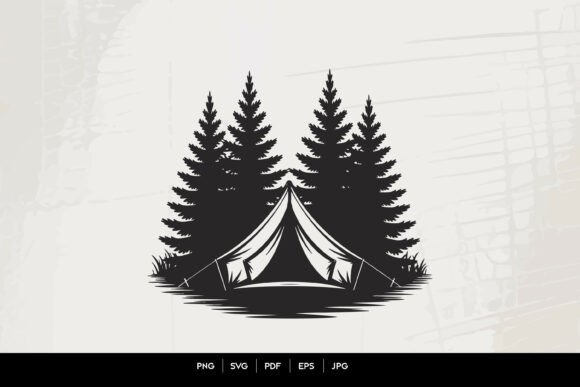
When you first open the bundle, which includes essential formats like SVG, PNG, EPS, JPG, and PDF, the immediate takeaway is clarity. This isn’t a cluttered scene trying to be everything at once. It is a clean, minimalist representation of a campsite nestled among pine trees. For an embroidery project, simplicity is often your best friend. The line art style translates exceptionally well to machine embroidery because it relies on negative space and distinct outlines rather than complex shading or tiny, indistinguishable details.
The mood it creates is one of serene adventure. It feels like a crisp morning in the wilderness, perfect for brands that want to evoke feelings of exploration, survival, and nature without looking rugged or messy. Visually, the layout balances the tent structure against the organic shapes of the forest background. This contrast gives the design a strong visual personality that stands out on fabric. It doesn’t scream for attention; it invites the viewer in, which is exactly what you want for a high-end handmade product.
Real-World Application: From Screen to Stitch
I decided to use Camping Tent Forest Line Art for a series of custom embroidered tote bags and heavy-weight sweatshirts for a local craft fair. Here is how it translated in those specific scenarios.
Tote Bags and Canvas Projects
Canvas is a forgiving fabric, but it can be thick. The line art nature of this design meant that I didn’t have to worry about the needle hitting dense fill stitches that might pucker the bag. Instead, I focused on clean satin stitches for the tent outline and running stitches for the tree lines. The result was sharp and professional. Customers responded well to the "outdoorsy" aesthetic, associating the design with quality travel gear and weekend getaways. It fits perfectly into the category of custom apparel accessories that appeal to hikers and campers.
Sweatshirts and Apparel
On a sweatshirt, this design shines as a chest logo or a back print. Because the graphics are essentially vector-based in their original form, scaling them up or down maintains their integrity. I tested it on both charcoal grey and oatmeal-colored fleece. On the darker fabric, using a white or light grey thread created a striking contrast that highlighted the forest silhouette. On the lighter fabric, a navy or forest green thread gave it a subtle, sophisticated look. It works beautifully as a sweatshirt embroidery piece because it doesn’t overwhelm the garment’s texture.
Baby Items and Nursery Decor
One unexpected success was using this design for baby onesies and nursery wall hangings. The soft, rounded lines of the tent and the gentle sway of the pine trees make it feel safe and cozy. It transforms the concept of "survival" into something playful and adventurous for a child’s room. As a personalized gift, adding a name above the tent elevates it from a simple graphic to a keepsake item, increasing its perceived value significantly.
Where to Use It Carefully
While this design is versatile, it is not a magic bullet for every situation. As an experienced reviewer, I must highlight where Camping Tent Forest Line Art might struggle if you aren’t careful.
- Small Hoop Sizes: If you try to cram this entire scene into a 4x4 inch hoop, you will lose detail. The trees may merge into a blurry mass. Always check your hoop size constraints before finalizing your product dimensions. This design needs breathing room to let the individual pine trees register visually.
- Textured and Stretchy Fabrics: Avoid placing this on highly textured fabrics like bouclé or very stretchy jersey knits unless you use a heavy-duty stabilizer. The fine lines of the forest background can distort easily on stretchy materials, leading to a wavy, unprofessional finish.
- Dense Stitch Areas: While the design itself is line art, if you choose to add heavy fill stitches behind the tent to make it pop, you risk creating a stiff, uncomfortable patch on clothing. Keep the stitch density low to maintain fabric drape.
- Curved Surfaces: Attempting to embroider this on a curved cap front can be tricky. The straight lines of the tent may warp around the curve of the hat. It is better suited for flat surfaces like aprons, pillow covers, or tea towels.
Design Notes for the Professional Crafter
To get the most out of this machine embroidery design, follow these practical steps before committing to your final product.
- Test on Scrap Fabric: Never assume a design will work perfectly on your chosen material. Test it on a scrap piece of the same fabric type to check for puckering or thread breaks.
- Check Thread Color Contrast: The beauty of this design lies in its definition. Ensure your thread color contrasts sufficiently with the fabric. Light threads on dark fabric or dark threads on light fabric work best. Muddy colors will obscure the forest details.
- Review Stitch Density: Inspect the digitization for any overly dense areas. If the design uses too much fill stitch, it may become stiff. A mix of satin and running stitches usually yields the most natural look for line art.
- Use Proper Stabilizer: For woven fabrics like cotton or canvas, cut-away stabilizer is recommended to prevent distortion over time, especially for items that will be washed frequently. For knits, tear-away or wash-away stabilizers might suffice depending on the weight of the garment.
- Confirm Licensing: Before selling finished items or using this as a commercial embroidery asset, verify the license terms included with the download. Some digital embroidery files allow commercial use, while others are personal-use only. This distinction is critical for Etsy sellers and small business owners.
Final Verdict on Visual Appeal and Value
Using Camping Tent Forest Line Art adds a layer of professionalism to any craft business inventory. It looks intentional, curated, and high-quality. When customers see a clean, well-executed embroidery design, they perceive higher value in the product. This design supports brand consistency by offering a recognizable theme that appeals to a broad audience interested in outdoors, travel, and nature.
It is particularly effective for holiday gifts, wedding favors for outdoor-themed weddings, or boutique branding for shops that sell camping gear. The versatility of the provided file types means you can also use the PNG or JPG versions for printable mockups and marketing materials, ensuring your online listings look as good as the physical product.
In conclusion, this is a solid addition to any designer’s library. It avoids the pitfalls of over-complication and delivers a clear, attractive image that stitches well. Whether you are creating a single embroidered patch for yourself or producing a batch of small shop products for sale, Camping Tent Forest Line Art offers the reliability and aesthetic appeal needed to succeed in today’s handmade market. Just remember to respect the fabric, plan your stitching carefully, and always prioritize clarity over complexity.