Review: Vintage Microphone Line Art for Embroidery
As a designer who spends more time looking at stitch density and thread tension than scrolling through social media, I approach every new digital asset with a healthy dose of skepticism. We have all seen designs that look stunning on a screen but turn into a tangled mess once they hit the hoop. That is why I decided to put Vintage Microphone Line Art through its paces. This isn't just about whether the file opens correctly; it is about how this specific aesthetic translates into physical reality for crafters, small business owners, and professional embroiderers.
The market for audio-themed merchandise is booming. From podcasters to vinyl collectors, the "retro audio" vibe is everywhere. But finding a design that balances nostalgia with modern minimalism can be tricky. When I first pulled up the preview files for this set, my immediate reaction was relief. The continuous line art style is clean, uncluttered, and surprisingly versatile. It avoids the cluttered details that often cause needle breaks or require excessive trimming, making it an excellent candidate for both personal projects and commercial production runs.
First Impressions and Visual Personality
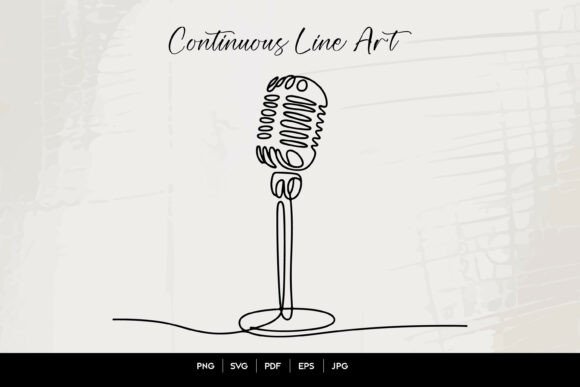
The core strength of this design lies in its simplicity. By using a single, flowing line to depict a classic studio microphone, the artist has captured the essence of mid-century broadcasting without getting bogged down in shading or complex gradients. This minimalist approach is crucial for embroidery. Unlike raster images that rely on color blocks, line art relies on contour. In a machine embroidery context, this means the design depends heavily on the quality of the satin stitches and the precision of the running stitches.
Mood-wise, the design screams "professional yet cozy." It evokes the feeling of a late-night radio broadcast or a home recording studio session. For a handmade product, this adds a layer of storytelling that generic icons lack. A customer buying a tote bag with this embroidery isn't just buying a bag; they are buying into a lifestyle of creativity and communication. The visual personality is confident but understated, which makes it easy to integrate into various brand identities, from boutique apparel lines to digital content creator merch.
Real-World Application: The Custom Tote Scenario
To truly test the viability of Vintage Microphone Line Art, I imagined a real-world scenario: creating a custom embroidered tote bag for a local podcasting club. The client wanted something that looked high-end but wouldn't cost a fortune to produce. They needed a design that would stand out against a canvas background but not overwhelm the fabric.
I selected a natural beige canvas tote and paired the design with a deep navy thread. The contrast was sharp and legible. Because the design is essentially a silhouette outline, it works beautifully as a large chest print or a centered back print. The continuous nature of the line art allows for a larger scale without losing definition. On a smaller item, like a coffee sleeve or a laptop sticker, the same design could be scaled down effectively, provided the stitch width is adjusted appropriately.
This scenario highlights why this design is a strong contender for Etsy sellers and craft fair vendors. It appeals to a broad demographic. It fits the "giftable" criteria perfectly. Whether it is a graduation gift for a communications major, a housewarming present for a new homeowner who loves music, or a corporate swag item for a radio station, the theme is universally recognizable yet niche enough to feel special.
Performance in Different Embroidery Situations
When evaluating a design for practical use, we must look beyond aesthetics. How does it perform on different fabrics? How does it hold up after washing?
- Custom Apparel and Sweatshirts: The vintage microphone motif pairs exceptionally well with heavyweight cotton blends found in sweatshirts and hoodies. The clean lines provide a crisp focal point against the textured surface of fleece or jersey knit. It looks particularly striking when placed on the pocket area of a hoodie or centered on the chest of a crewneck.
- Tote Bags and Canvas Goods: As mentioned, this is a natural fit. The structural stability of canvas supports the embroidery well, preventing puckering. The design’s simplicity ensures that even if the stitching isn't perfect, the overall image remains clear.
- Baby Items and Nursery Decor: While the theme is adult-oriented, the minimalist style makes it suitable for gender-neutral nursery decor or baby gifts for parents in the audio industry. However, care must be taken with thread choice to ensure softness against delicate skin.
- Embroidered Patches: The self-contained nature of the microphone graphic makes it ideal for patch creation. You can easily add a border around the line art to create a finished edge, resulting in a professional-looking badge that can be ironed or sewn onto denim jackets, caps, or backpacks.
Where Caution Is Required
No design is flawless, and Vintage Microphone Line Art has specific constraints that designers must respect to avoid disappointing customers.
First, consider the hoop size. While the design scales well, attempting to digitize or stitch it extremely small (under 2 inches) may result in lost detail. The curves of the microphone head and the base need enough space for the needles to form proper satin stitches. If the design is too tight, the threads may crowd each other, leading to a blurry appearance.
Second, think about fabric texture and stretchiness. Avoid using this design on highly stretchy fabrics like thin spandex blends unless you are using a heavy-duty stabilizer. The tension required to keep the line straight might distort the fabric, causing the microphone to look warped. Similarly, on very fuzzy fabrics like sherpa or thick fleece, the fine lines might get swallowed by the pile, reducing clarity.
Third, be mindful of thread color contrast. This design relies on negative space and line definition. Using a light gray thread on a white shirt will result in a ghostly, barely visible image. Always test your thread choices. Black, navy, burgundy, or mustard yellow tend to work best against neutral backgrounds, while white or cream threads pop nicely on dark denim or black fabric.
Practical Designer Notes for Success
Before you upload this file to your machine or include it in your digital product bundle, follow these essential steps to ensure a professional finish.
- Test on Scrap Fabric: Never commit to a final product without a test run. Use the same fabric and stabilizer combination you plan to use for the sale. This reveals issues with puckering, thread tension, or color matching before you ruin a customer's order.
- Check Stitch Density: Review the underlying digitization if available. Ensure the stitch density is appropriate for the fabric weight. Too dense, and the fabric will pucker; too sparse, and the backing will show through.
- Inspect Small Details: Zoom in on the digital files. Look at the connection points of the line art. Are there any tiny, isolated pixels that might cause the machine to make unnecessary jumps? Clean up any artifacts in your software before stitching.
- Verify Licensing: If you are selling finished products or digital mockups, double-check the license terms. Some assets allow commercial use, while others are restricted to personal projects only. Clarity here protects your reputation and your legal standing.
- Use Proper Stabilizer: For this type of line art, a cut-away stabilizer is often recommended for durability, especially for items that will be washed frequently, like aprons or tote bags. It prevents the design from distorting over time.
Final Verdict on Value and Appeal
In the crowded world of craft business assets, Vintage Microphone Line Art stands out because it solves a common problem: the need for recognizable imagery that doesn't look cheap. It elevates simple garments and accessories by adding a touch of retro sophistication. For the Etsy seller or small shop owner, this design offers high perceived value with relatively low production complexity.
It works seamlessly across multiple categories, from commercial embroidery projects to personalized gifts. The versatility of the line art style means it can be adapted to various color palettes and placements, giving you creative freedom without sacrificing consistency. Whether you are designing a podcast starter kit, a music teacher appreciation gift, or a studio branding package, this design provides a solid foundation.
Ultimately, the success of any embroidery project comes down to execution. But starting with a well-designed, thoughtfully composed asset like this one significantly increases your chances of creating a finished product that customers love. It is clean, it is thematic, and most importantly, it stitches true. For anyone looking to expand their inventory with meaningful, aesthetically pleasing designs, this is a smart addition to your collection of design assets.