Vintage Pickle Mascot Clipart Review
When I sit down to evaluate a new design asset for my embroidery studio, I am rarely looking for perfection on the screen. I am looking for viability in the hoop. As a designer who has stitched thousands of designs for clients ranging from local boutiques to national branding campaigns, I know that a cute image does not always translate into a clean stitch-out. This is why I take the time to dissect Vintage Pickle Mascot Clipart before committing it to fabric. After spending considerable time analyzing this retro cartoon pickle mascot set, I have formed a clear opinion on its potential for real-world projects.
First Impressions and Visual Personality
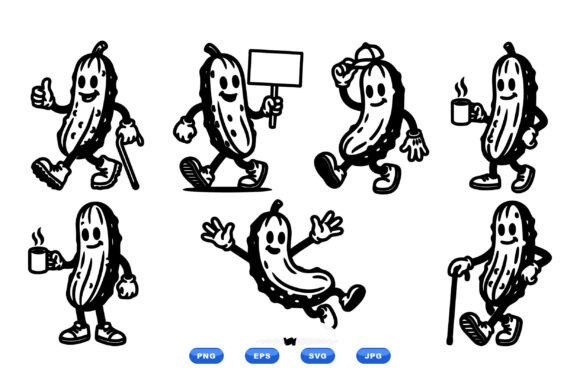
The immediate appeal of this collection lies in its distinct retro aesthetic. The "vintage" descriptor is well-earned; the lines are bold, the expressions are exaggerated, and the color palette (even in digital preview) suggests a nostalgic warmth that resonates with current trends in handmade goods. Unlike generic clipart that feels sterile, these characters have personality. Whether it is the pickle sipping coffee or jumping with energy, each pose tells a story. For an embroiderer, this character-driven approach is gold. It transforms a simple logo into a brand narrative.
However, personality must be balanced with technical feasibility. The shapes here are primarily organic but defined by strong outlines. This is crucial because satin stitches rely on clear boundaries to create crisp edges. If the lines were too thin or intricate, we would lose detail during the stitching process. Fortunately, the Vintage Pickle Mascot Clipart maintains a healthy balance between charm and simplicity. The walking pose holding a sign offers a fantastic opportunity for custom text integration, while the jumping pose adds dynamic movement that works beautifully on casual apparel.
Real-World Application: From Screen to Stitch
Let’s talk about how this performs in actual production scenarios. I recently considered using this set for a batch of custom embroidered tote bags for a small business client who specializes in kitchen goods. The walking pickle holding a sign was the obvious choice. Here is why it works so well for tote bag design applications:
- Scale Flexibility: The mascot is large enough to be the focal point but compact enough to fit within standard 5x7 or 6x10 inch hoops without feeling cramped.
- Fabric Compatibility: Tote bags are often made of canvas or cotton duck. These sturdy fabrics can handle the stitch density required for the mascot’s outline without puckering, provided a proper cut-away stabilizer is used.
- Brand Consistency: Because the set includes multiple poses, a brand can use different images for different seasons or social media campaigns, creating a cohesive visual identity across their handmade product line.
Beyond totes, this design shines in sweatshirt embroidery. The retro vibe pairs perfectly with heavyweight cotton blends often found in premium hoodies. Imagine a subtle left-chest placement of the sipping coffee pickle—it creates an instant conversation starter. It feels personal, approachable, and high-quality. For Etsy sellers and craft business owners, this level of specificity helps justify a higher price point because the customer perceives value in the unique, curated nature of the design.
Technical Considerations and Potential Pitfalls
No design is without its challenges, and being honest about them is part of responsible reviewing. While Vintage Pickle Mascot Clipart is robust, there are specific areas where caution is required.
First, consider the small details. The facial expressions are expressive, which means they rely on contrast. If you attempt to stitch this on a dark fabric using light thread without underlay, the eyes might get lost. Always test your thread colors against your base material. A black and white mockup check is essential here to ensure the silhouette remains readable. Additionally, if you plan to scale this down significantly for an embroidered patch or a baby onesie, you may encounter issues with fine lines merging together. In such cases, simplifying the design digitally before converting it to an embroidery file might be necessary.
Another critical factor is the hoop size. While the poses are versatile, some complex arrangements might require larger hoops to accommodate all elements comfortably. Working in a tight hoop can lead to distortion, especially on stretchy knits. If you are working on custom apparel like t-shirts or caps, ensure your machine’s hooping area matches the design dimensions. For curved surfaces like baseball caps, the jumping pose might look distorted if not digitized specifically for the cap’s curvature. Standard flat-hoop digitization may not yield the best results on hats without manual adjustment.
Material and Stabilizer Strategy
The success of any embroidery project hinges on the foundation. For the Vintage Pickle Mascot Clipart, I recommend using a medium-weight tear-away stabilizer for woven fabrics like linen or cotton twill. However, for stretchy fabric types such as jersey or spandex blends, a cut-away stabilizer is non-negotiable to prevent the fabric from warping over time. This is particularly important for items that will undergo frequent washing, such as kitchen towels or aprons.
Also, pay attention to the fill stitch areas. If the design uses large blocks of color, ensure the stitch direction is consistent. Random fill directions can cause light reflection issues, making the design look uneven under certain lighting conditions. This is a common oversight when beginners rush through the digitizing process.
Strategic Use Cases for Makers and Sellers
For those building a small shop product catalog, versatility is key. This set allows you to diversify your inventory without designing from scratch every time. You can create a series of holiday-themed items by pairing the pickle mascot with seasonal backgrounds or accessories. For example, the sipping coffee pose could be adapted for a Valentine’s Day heart-themed mug or a cozy winter blanket promo.
In the realm of digital products, this clipart is valuable for creating printable mockups. Even if you do not offer the embroidery files directly, using these visuals in your marketing materials signals professionalism and taste. Buyers trust sellers who present their finished product with clarity and style. The playful nature of the pickle makes it ideal for targeting younger demographics or brands aiming for a fun, accessible image.
Furthermore, consider the commercial embroidery angle. Many corporate clients seek unique branding that stands out from traditional logos. A vintage-style mascot can humanize a brand, making it feel more relatable. This is especially effective for food-related businesses, cafes, or lifestyle brands. The design assets here provide a foundation that can be customized—changing colors, adding text, or combining poses—to meet specific client needs.
Final Verdict and Practical Advice
Ultimately, Vintage Pickle Mascot Clipart is a strong contender for designers looking to add character and nostalgia to their work. It bridges the gap between cute and professional, making it suitable for a wide range of applications from personalized gifts to high-volume retail items.
Before incorporating this into your workflow, I strongly advise testing the design on scrap fabric first. Check the stitch density to ensure it is not too heavy for your chosen material. Inspect small details like the eyes and hands to confirm they render clearly at your intended scale. Confirm licensing terms if you plan to sell finished items, as this dictates your commercial rights. And finally, always compare light and dark fabric backgrounds to ensure maximum visual impact.
By approaching this design with a critical eye and practical preparation, you can leverage its retro charm to create memorable, high-quality embroidery projects that resonate with customers and elevate your brand presence in the competitive craft market.