Western Cowboy Guitar Silhouette Art Review
As a designer who spends half my life staring at hoop frames and the other half trying to explain stitch density to clients, I have learned that not every graphic translates well into thread. There is a distinct difference between a design that looks good on a screen and one that holds its structure when stitched. When I first pulled up Western Cowboy Guitar Silhouette Art, my initial reaction was practical: this has strong commercial potential, but it requires careful execution to avoid looking muddy or overly dense.
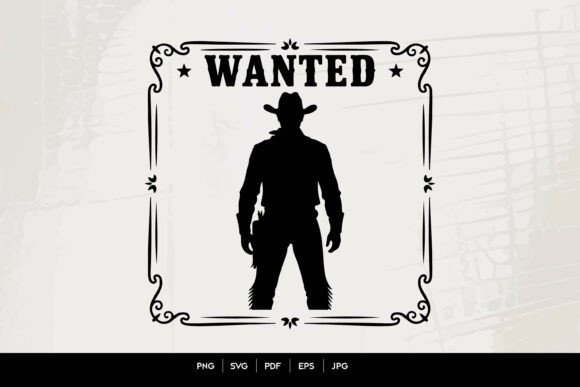
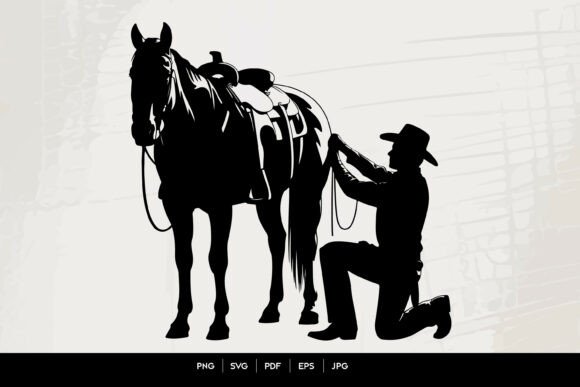
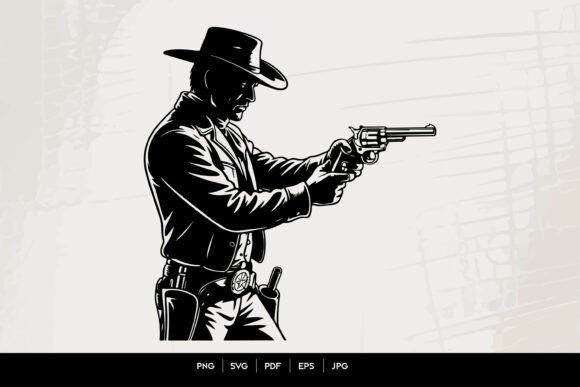
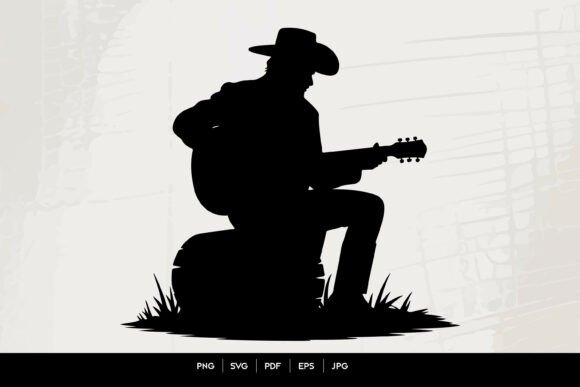
This piece falls squarely into the Crafts and Graphics categories, offering a classic visual that resonates with specific audiences. The silhouette format—featuring a cowboy figure paired with an acoustic guitar—is timeless. It evokes themes of the wild west, ranch life, rodeo culture, and vintage outlaw aesthetics. For an embroidery designer, silhouettes are often a double-edged sword. They offer high contrast and clean lines, which are excellent for stitching, but they can lack the nuance needed for detailed storytelling if the negative space isn't handled correctly. In this case, the layout feels balanced, allowing the eye to travel naturally from the musician’s posture to the curve of the instrument.
Real-World Application: From Screen to Stitch
Let’s talk about where this design actually lives in the real world. I recently considered using this motif for a custom order involving embroidered patches and boutique tote bags. The mood of Western Cowboy Guitar Silhouette Art makes it incredibly versatile for handmade products that target country music fans, Texas locals, or anyone with a love for rustic, western decor.
Imagine a heavy-duty canvas tote bag for a craft fair vendor. A single placement of this silhouette on the chest area, executed in a bold black thread on natural canvas, creates an instant statement piece. It works as a tote bag design because the shape is compact yet recognizable. Alternatively, consider a sweatshirt embroidery project for a holiday gift. Here, the "vintage" and "rust" keywords associated with the image suggest a distressed look. If you are creating a sweatshirt embroidery piece, placing this near the pocket area or centered on the back can elevate a basic garment into a personalized gift that feels curated rather than mass-produced.
The design also lends itself well to nursery decor or baby items, provided the scale is adjusted appropriately. A small, simplified version of the cowboy and guitar could work beautifully on a muslin blanket or a onesie, tapping into the growing market for baby embroidery. However, the rugged nature of the theme suggests it will perform best on durable fabrics like denim, twill, or thick cotton blends, where the threads can sit securely without distorting the material.
Technical Performance and Stitch Considerations
When evaluating any machine embroidery design, the devil is in the details. Because Western Cowboy Guitar Silhouette Art relies on solid shapes, the primary concern is stitch density. If the fill stitches are too tight, the fabric will pucker; if they are too loose, the shape will lose its definition. Before committing to a full production run, I always advise testing the design on scrap fabric first. This step is non-negotiable for professional results.
You should also inspect the small details. While silhouettes are generally simple, check the edges of the guitar neck and the cowboy’s hat brim. Are there tiny floating bits that might require a running stitch to secure, or are they cleanly enclosed? Proper stabilizer choice is critical here. For a custom apparel item like a cap or a tee shirt, a cut-away stabilizer might be necessary to maintain stability during long runs, whereas a tear-away might suffice for lighter projects like kitchen towels or tea towels.
Thread colors play a massive role in how this embroidery file is perceived. Since the source includes formats like PNG, SVG, EPS, PDF, and JPG, you likely have control over the color palette. I recommend sticking to high-contrast combinations. A white silhouette on dark denim, or a gold/orange thread on a black background, captures the "outlaw" and "wildwest" vibe perfectly. Avoid low-contrast pairs, such as light gray on beige, as the subtle curves of the guitar may disappear entirely after stitching.
Where to Exercise Caution
While this design is robust, it is not suitable for every application. You should use Western Cowboy Guitar Silhouette Art carefully on curved surfaces like caps or hats. Without proper digitizing adjustments for curvature, the straight lines of the guitar body might appear distorted. Similarly, avoid using this on thin or stretchy fabrics unless you are confident in your hooping and stabilization techniques. Thin materials can pucker easily under the tension of fill stitches, ruining the clean lines that make this design appealing.
Furthermore, be mindful of small hoop sizes. If you attempt to shrink this design too much, you risk losing the integrity of the silhouette. The distinction between the cowboy’s arm and the guitar body might merge into a blob if the stitch count becomes too low. Always confirm the minimum recommended hoop size before scaling down. Additionally, if you plan to use this for commercial embroidery on products that will undergo frequent washing, ensure that the design does not have excessive decorative accents that could snag or fray over time.
Visual Appeal and Brand Value
From a branding perspective, Western Cowboy Guitar Silhouette Art adds a layer of authenticity to handmade products. Customers today are looking for connection and story. A design that screams "country," "musician," and "ranch" instantly communicates a lifestyle. This emotional resonance boosts buyer engagement and trust. When a customer sees a well-stitched version of this art on a pillow cover or an apron, they perceive higher value compared to a generic printed graphic.
For Etsy sellers and small shop owners, this design asset is a smart investment. It fits seamlessly into collections focused on rural living, folk music, or western heritage. It also works exceptionally well for digital product previews. Creating printable mockups that showcase this silhouette in various settings—such as hanging on a cabin wall or displayed on a wooden table—can help visualize the final product for buyers who prefer physical decor over wearable items.
The versatility of the included file types means you aren’t limited to just one output. You can use the vector files for large-scale signage or banners, while the raster files are perfect for smaller textile applications. This flexibility allows you to cross-promote your brand across different mediums, reinforcing your identity as a creator who understands both digital precision and tactile craftsmanship.
Final Thoughts for the Maker
In conclusion, Western Cowboy Guitar Silhouette Art is a strong candidate for any embroidery designer’s library, particularly those focusing on western, rustic, or musical themes. Its strength lies in its simplicity and boldness, which translate reliably into thread. However, success depends on your preparation. Check the licensing terms thoroughly before selling finished items or digital products. Confirm whether the package includes commercial rights, especially if you intend to list these designs on platforms like Etsy or sell them as part of a larger bundle.
Take the time to compare light and dark fabric backgrounds during your testing phase. Use proper stabilizer, select high-quality threads, and always prioritize the structural integrity of the stitch. By doing so, you will transform a simple graphic into a cherished handmade product that customers will want to display, wear, and gift. Whether you are creating a unique personalized gift for a friend or building a line of small shop products, this design offers a reliable foundation for professional, visually striking embroidery work.