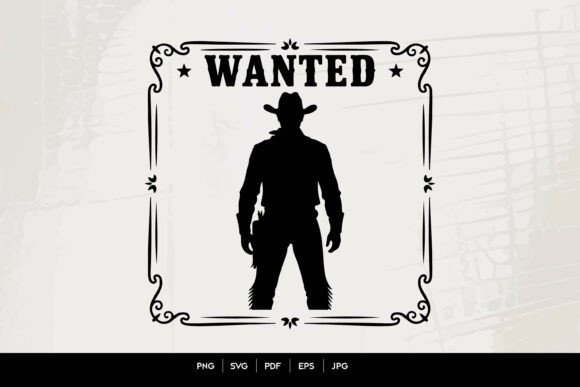
Western Wanted Poster Cowboy Silhouette Review
As a designer who spends half my life staring at digitized files and the other half troubleshooting tension issues on my embroidery machine, I don’t just look for "pretty" designs. I look for viability. I need to know if a file will actually hold up in production, whether it translates well from screen to fabric, and if it has the commercial punch to sell on platforms like Etsy or in a local boutique. Recently, I pulled the Western Wanted Poster Cowboy Silhouette off the shelf of digital assets to see if it had what it takes for real-world application. This isn't just another clipart download; it is a graphic asset that demands specific handling to shine in thread form.
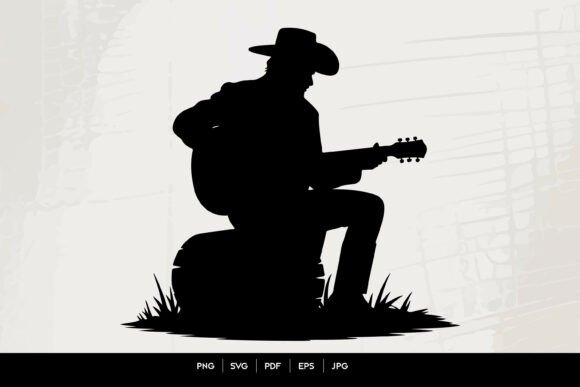
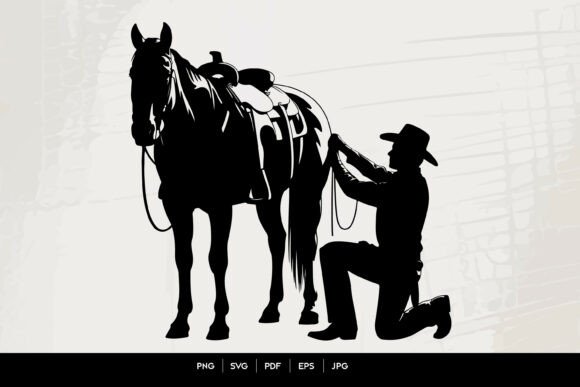
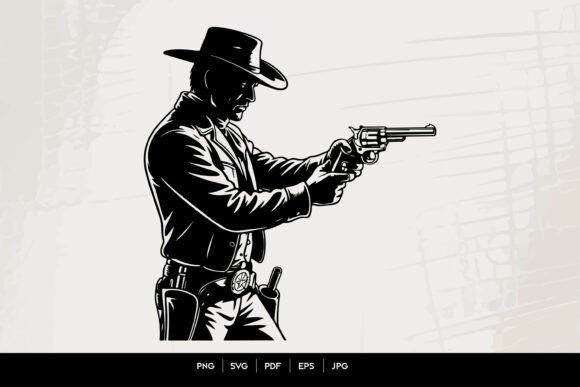
The first impression of this design is one of bold, high-contrast character. The silhouette approach is smart because it bypasses the most common pitfall of western-themed embroidery: over-detailing. When you try to stitch intricate facial features or complex clothing textures in a small hoop, things get muddy fast. By relying on a strong silhouette, the Western Wanted Poster Cowboy Silhouette offers a clean visual anchor. It screams "Wild West" without needing a dozen different thread colors to tell the story. For the modern crafter or small business owner, this means lower material costs and faster production times, which are two metrics that directly impact your bottom line.
Real-World Application: From Screen to Stitch
I put this design through its paces by imagining it in three distinct product categories where western themes perform exceptionally well. First, consider the tote bag design market. A sturdy canvas tote featuring this silhouette is an instant hit for festival-goers or casual shoppers. Because the design is graphic and bold, it works beautifully as a large central placement. However, you have to be mindful of the background. If you are stitching onto a dark, textured fabric, the contrast might struggle unless you use a stabilizer backing or choose thread colors that pop against the weave. Testing this on scrap fabric first revealed that a simple satin border around the silhouette helps define the edges against busy fabrics.
Second, I looked at sweatshirt embroidery. There is something inherently cozy yet rugged about western motifs on fleece or heavy cotton blends. This design fits perfectly on the chest area of a crewneck sweatshirt. The vintage aesthetic pairs well with distressed threads or muted earth tones. When I mockuped this digitally, I noticed how the negative space in the silhouette allowed the fabric texture to become part of the design itself. This is a crucial insight for handmade products: the best embroidery doesn't fight the fabric; it collaborates with it. For a boutique branding item, this level of sophistication elevates a basic garment into a premium handmade product.
Third, and perhaps most surprisingly, I considered baby embroidery. While the theme is "outlaw," the silhouette format is soft enough to work for nursery decor or baby blankets. Think of a onesie or a burp cloth with a tiny, simplified version of the cowboy. It’s gender-neutral, trendy, and avoids the cliché of bright yellow stars and blue boots. This versatility expands your market reach significantly. You aren't just selling to cowboys; you are selling to parents who want unique, artistic pieces for their children. This kind of adaptability is what separates a hobbyist from a professional craft business owner.
Technical Considerations and Pitfalls
Despite its strengths, the Western Wanted Poster Cowboy Silhouette is not without its challenges. The primary concern lies in the lettering. Western posters often rely on typography to convey the "Wanted" narrative. If the file includes text, you must inspect the small details closely. Tiny serif fonts can break apart during stitching, especially on curved surfaces like caps or hats. If you are planning to use this for embroidered patches, ensure the text is legible at the final patch size. If the letters are too thin, they may disappear under the density of the surrounding fill stitches.
Another critical factor is stitch density. Silhouettes are typically filled with dense stitches to create a solid shape. On stretchy fabrics like jersey knits used in custom apparel, this density can cause puckering. Without the proper stabilizer—likely a cut-away for durability—the garment could distort after washing. I always advise checking the design file properties before starting. If the density seems excessive for the intended fabric weight, consider reducing the stitch count or adding a tear-away stabilizer during the hooping process. Conversely, on stable fabrics like denim or canvas, you can push the density higher for a richer, more tactile finish.
Color selection is also paramount. Since the design is a silhouette, it relies heavily on contrast. A black silhouette on a black shirt will vanish. A white silhouette on a light gray shirt might lack definition. I recommend testing thread colors in black and white mockups to evaluate contrast levels objectively. For a true vintage feel, try using heathered threads or metallic accents for the text, but keep the main silhouette solid and matte to maintain readability. This attention to detail builds customer trust and ensures your finished product looks as good as the photo you posted online.
Commercial Viability and Licensing
For those of you looking to turn this into a small shop product, licensing is non-negotiable. The description lists various formats including PNG, SVG, EPS, PDF, and JPG, which suggests this is primarily a graphic asset rather than a native machine embroidery file (like .PES or .DST). This distinction is vital. If you intend to use this for commercial embroidery, you cannot simply load a vector file into your machine. You must either digitize it yourself or purchase a separate embroidery file license. Always confirm whether the seller grants commercial rights for embroidered goods. Many graphic designers sell art that is restricted to print-on-demand items only. Misunderstanding this can lead to legal headaches and lost income.
If you are skilled in digitizing, this silhouette provides an excellent base. You can add custom textures, adjust the hoop size to fit specific garments, and optimize the stitch angle for better thread lay-down. This level of customization allows you to offer a truly unique personalized gift that stands out in a crowded marketplace. Whether you are creating holiday gifts, wedding favors, or seasonal decor, having control over the digitization process ensures quality consistency across all your orders.
Final Verdict
The Western Wanted Poster Cowboy Silhouette is a versatile, visually striking asset that offers significant potential for creative entrepreneurs. Its strength lies in its simplicity and boldness, making it adaptable to a wide range of projects from tote bags to aprons. However, success depends on technical execution. Pay close attention to fabric choice, stabilizer usage, and color contrast. Test thoroughly, respect licensing agreements, and treat the design as a foundation for your creativity rather than a finished solution.
For the experienced embroiderer, this design is a reliable workhorse. For the beginner, it is a great learning opportunity to practice handling high-contrast shapes and managing stitch density. By approaching it with a practical eye and a willingness to experiment, you can transform this digital graphic into a tangible, profitable piece of art. Just remember: the best embroidery isn't just about the design; it's about the care and precision you bring to every stitch.