Vintage Diving Helmet Line Art Review
As a designer who spends more time than I care to admit staring at stitch patterns and debating thread tension, I approach every new embroidery file with a healthy dose of skepticism. The market is flooded with generic clipart that looks fantastic on screen but falls apart when the needle hits the fabric. Recently, I had the opportunity to evaluate the Six Vintage Diving Helmet Line Art Set, a collection described as detailed black and white illustrations in a retro style. My goal was simple: determine if this set works for real-world commercial applications, from custom custom apparel to high-end boutique gifts, or if it belongs in the "digital scrap" folder.
First Impressions and Visual Personality
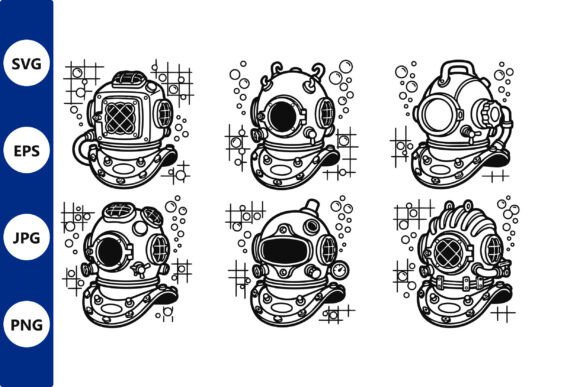
The moment you open the files, the mood is distinct. This isn’t just a collection of random icons; it feels curated. The retro aesthetic brings a nautical, industrial charm that resonates strongly with current trends in handmade goods. The line art is clean, which is the most critical factor for any machine embroidery design. Thick, muddy lines can look messy after stitching, while overly thin lines might disappear into the fabric weave. These illustrations strike a balance that suggests they will hold their shape well during digitization.
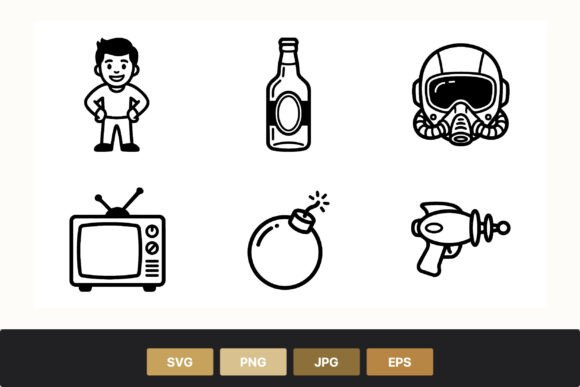
Arranged as a grid, the six designs offer variety without chaos. You have different angles and styles of diving helmets, ranging from classic brass-era models to slightly more modern interpretations. For a craft business owner, this variety is gold. It allows for thematic consistency across a product line—perhaps a series of caps where each cap features a different helmet model—while maintaining a cohesive brand identity. The visual personality is rugged yet refined, making it suitable for both masculine-leaning markets like fishing gear or motorcycle clubs, and feminine-leaning markets like coastal home decor.
Real-World Application: The Tote Bag Test
To truly judge an embroidery project, you have to imagine it on a physical object. I immediately pictured these designs on a heavy-duty canvas tote bag. Why? Because the sturdy fabric provides the necessary stability for the detail work involved in line art. If you were to attempt this on a thin t-shirt, the risk of puckering increases significantly.
Imagine a customer buying a personalized gift for a diver or a history buff. They order a beige canvas tote with one of the vintage helmets embroidered in navy blue thread. The contrast between the natural canvas and the dark thread would make the line work pop. The stitch density required to render the fine lines of the helmet’s glass ports and buckles needs to be precise. If the digitizer used too much fill stitch, the fabric would become stiff and uncomfortable. However, given the nature of line art, this design likely relies heavily on satin stitches and perhaps some running stitch for texture, which keeps the hand-feel soft and professional.
I also considered its use on sweatshirt embroidery. A crewneck sweatshirt in charcoal gray with a single, centered helmet design creates a strong streetwear vibe. It’s not loud; it’s subtle. This subtlety often commands a higher price point because it signals quality rather than mass production. For an Etsy seller, this kind of versatile design expands your potential audience beyond just niche hobbyists to anyone who appreciates vintage aesthetics.
Where Caution Is Required
No design is perfect for every surface. While the Six Vintage Diving Helmet Line Art Set is robust, there are specific scenarios where it requires careful handling. First, avoid using this on highly textured fabrics like chunky knits or bouclé wool. The irregular surface will distort the fine lines, turning crisp art into a blurry mess. Similarly, stretchy fabrics like spandex blends require a very stable stabilizer backing, or the lines will warp as the wearer moves.
Another challenge is small hoop sizes. If you plan to create tiny embroidered patches for jackets or bags, you must check the smallest helmet design against your minimum hoop limits. Fine details, such as the rivets on the helmet collar or the curvature of the visor, can merge together if the scale is too small. In those cases, the distinction between the different helmet models might be lost. I recommend testing these files in your largest hoops first to ensure the details remain legible before scaling them down.
Dark fabrics present another consideration. Since the source images are black and white line art, they rely entirely on thread color for definition. On a black shirt, a black outline will vanish. You would need to use a contrasting thread, such as gold, silver, or bright white, to make the design visible. This adds a layer of complexity to your workflow, requiring you to plan your thread colors carefully to maintain the integrity of the original artwork.
Impact on Product Value and Branding
In the world of commercial embroidery, perception is everything. A poorly executed design screams "cheap," while a clean, well-placed design screams "boutique." The retro style of these helmets taps into nostalgia, which is a powerful emotional trigger for buyers. When a customer sees a beautifully stitched vintage helmet on a personalized gift like an apron or a tea towel, they perceive value. They see effort, skill, and thoughtfulness.
This set also supports brand consistency. If you run a shop focused on maritime themes, travel, or history, having a cohesive library of related graphics allows you to create collections. You aren't just selling a single item; you are selling a lifestyle. This approach encourages repeat purchases and builds trust. Customers return to shops that feel curated and professional. The versatility of these design assets means you can apply them to a wide range of products, from aprons and kitchen towels to pillow covers and blankets, maximizing the return on your initial purchase.
Practical Designer Notes
- Test on Scrap Fabric: Always run a test stitch on the actual fabric type you intend to use. This reveals how the fabric texture interacts with the thread and helps you adjust tension settings.
- Check Stabilizer Usage: For line art, tear-away or cut-away stabilizers are essential depending on the fabric weight. Ensure the stabilizer is removed cleanly to preserve the sharp edges of the lines.
- Review Stitch Density: Inspect the digitization for areas where stitches might overlap excessively. High density can cause bulkiness, especially around the curved edges of the helmets.
- Mockup in Black and White: Before committing to expensive threads, view the design in grayscale. This helps you assess the composition and balance without being distracted by color choices.
- Confirm Licensing: As a small shop product creator, you must verify the license terms. Ensure you are permitted to sell finished items made from these digital files. Some licenses restrict commercial use or require attribution.
Final Verdict
The Six Vintage Diving Helmet Line Art Set is a strong addition to any designer’s toolkit. It offers high-quality visuals that translate well to embroidery, provided the technical aspects of digitization and fabric selection are handled correctly. Its retro charm appeals to a broad demographic, and its versatility allows for creative application across various product categories. Whether you are creating a holiday gift for a loved one or building a inventory of best-selling items for your online store, this set delivers professional results. Just remember to respect the limitations of the medium, test thoroughly, and let the quality of the craftsmanship speak for itself.